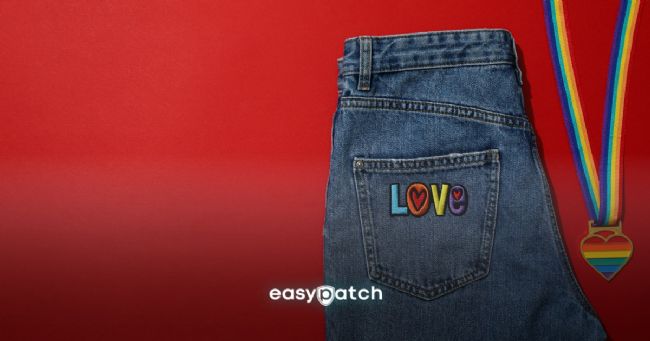
Custom patch-uri are today one of the most effective tools to transform a plain garment into a distinctive element. They are not just decoration but a true visual language capable of communicating identity, belonging and style. From streetwear clothing to corporate uniforms, and accessories like backpacks and hats, custom patches allow you to tell something unique without words.
In an increasingly personalised market, the need is no longer just to dress but to stand out. Patches thus become a bridge between aesthetics and communication, between product and identity.
Why custom patches give identity to garments
A garment without customisation is neutral. It can be functional but rarely memorable. Adding a patch completely changes perception.
Custom patch-uri work because they introduce a recognisable visual element. They can represent a logo, symbol, text or creative design. This element becomes immediately associated with a brand, group or individual.
Visually, a patch creates a focal point. It draws attention and adds character to the garment. From a communication perspective, it conveys a clear message. This combination makes them so powerful.
What custom patches are and how they work
Custom patches are textile or synthetic applications designed to measure. They can be made using various techniques, each with specific features.
The most common include:
- embroidered patches
- PVC patches
- printed patches
- woven patches
The embroidered patches offer a classic and three-dimensional look. PVC patches are more modern and durable, ideal for technical or sports contexts. Printed patches allow for complex graphics with great precision.
The choice of type depends on the final use and the message you want to convey.
Where to use custom patches
The possibilities for using custom patches are extremely wide. They can be applied to almost any textile surface.
In clothing, patches are used on jackets, jeans, sweatshirts and t-shirts. Here, their role is mainly aesthetic and identity-related.
On accessories such as backpacks, bags and hats, patches add personality and make the item unique. Even small details can make a difference in how a product is perceived.
Patches also find space in professional contexts, where they become functional as well as aesthetic elements.
Custom patches for branding and businesses
For businesses, custom patches represent a strategic tool. They are not just decorative elements but a form of visual communication.
Applied to uniforms, jackets or accessories, they help strengthen brand identity. A logo transformed into a patch becomes instantly recognisable and helps create visual coherence.
Patches are also used in merchandising. Customised products with patches become desirable items, capable of creating a bond between brand and customer.
Custom patches in fashion and streetwear
In the fashion world, custom patches have taken a central role. They are no longer just accessories but true design elements.
In streetwear, patches are used to create distinctive collections. Emerging brands use them to communicate identity and stand out in a competitive market.
Even basic garments can be completely transformed by applying a custom patch. This makes patches an extremely versatile creative tool.
Custom patches for groups and communities
Patches have always had a strong connection with the concept of belonging. Clubs, associations, sports teams and groups use patches to identify themselves.
A shared patch creates a sense of unity. It is a symbol representing the group's values, goals and identity.
This aspect is particularly evident in sports and club contexts, where patches become an integral part of visual identity.
How to design an effective custom patch
An effective patch is not created by chance. Behind it is a design process that considers several elements.
The design must be clear and legible. Too many details can compromise the final result, especially at small sizes.
The colours must be chosen carefully. Contrast is essential to ensure visibility and impact.
Size also plays an important role. A patch that is too large can be intrusive, while one that is too small risks going unnoticed.
How to choose the right material for your patch
The patch material affects both aesthetics and functionality.
Embroidered patches are ideal for a traditional look and casual or institutional garments. PVC patches are perfect for outdoor or tough conditions due to their durability.
Printed patches allow for greater creative freedom, especially for complex graphics.
The choice should always align with the final use and the message you want to convey.
How to apply patches on garments and accessories
Applying patches can be done through various techniques, each with specific features affecting both aesthetic quality and durability. The best method depends on the type of garment, the intended use and the desired result.
Sewing is the most reliable and durable solution. This method ensures strong adhesion even on garments subject to frequent washing or intensive use, making it especially suitable for workwear, sportswear or everyday clothing. Iron-on patches offer a quicker and more practical alternative, ideal for simple applications or for those who want to personalise a garment immediately without professional tools. Finally, velcro introduces an element of versatility, allowing easy removal and replacement of the patch. This solution is particularly appreciated in dynamic contexts where frequent design or identifier changes are necessary.
Mistakes to avoid with custom patches
When designing or applying custom patches, it is important to avoid common mistakes that can compromise the final result both aesthetically and functionally. One frequent error concerns the design choice. A project that is too complex or detailed risks losing definition during production, especially on small patches, making the result hard to read.
Another critical aspect is the material selection. Using a patch unsuitable for the garment type or usage context can negatively affect durability and the effectiveness of the application. For example, less durable materials on garments subject to wear can deteriorate quickly. Placement also plays a fundamental role. A patch applied in a poorly strategic position can be hard to see or disrupt the garment's visual balance, reducing overall aesthetic impact. Paying attention to these elements ensures a more professional and coherent result with the desired goal.
Why patches increase perceived value
Custom patches not only change the look of a garment but also influence how it is perceived. A customised garment immediately appears more refined and less anonymous, conveying a sense of attention to detail and identity.
The presence of a patch adds character and makes the garment more recognisable. It is no longer just a functional element but something that communicates style or a message.
In branding, this translates into an increase in perceived value. Even a simple garment can become a distinctive product, capable of attracting attention and leaving a stronger, lasting impression.
Frequently asked questions about custom patches
How much do custom patches cost?
Costs vary depending on size, materials and quantity. Larger productions generally allow for lower unit prices.
How long do custom patches usually last?
If made with quality materials and applied correctly, they can last over time even after many washes.
Are embroidered or PVC patches better?
It depends on the use. Embroidered patches are more classic, PVC ones more durable and modern.
Where is it best to apply patches?
They can be applied on clothing and accessories such as jackets, jeans, backpacks and hats.
How to create a custom patch?
You need to start from a design, choose the material and define size and application.
Transforming a garment into a distinctive element
Custom patches are one of the most effective solutions to give identity to garments and accessories. They do not just decorate but communicate, differentiate and enhance.
Choosing the right patch means transforming a common item into something unique. It is a process that combines creativity, strategy and attention to detail.
When used consciously, patches become much more than a simple accessory. They become a distinctive mark capable of telling a story and leaving a lasting impression.